Argentina
 Brazil
 Canada
 Chile
Chile
 Colombia
 Ecuador
 Mexico
 Peru
Peru
 United States
 Israel
 South Africa
 United Arab Emirates
 Österreich (Austria)
 Belgique (Belgium)
 Croatia
 Danmark (Denmark)
 Deutschland (Germany)
 España (Spain)
 France
 Greece
 Ireland
 Italia (Italy)
 Luxembourg
 Nederland (Netherlands)
 Norge (Norway)
 Polska (Poland)
 Slovenia
 Suisse (Switzerland)
 Suomi (Finland)
 Sverige (Sweden)
 Türkiye
 United Kingdom
 Australia
 中国 (China)
 Hong Kong SAR
 India
India
 日本 (Japan)
 Malaysia
 New Zealand
 Philippines
 Singapore
 대한민국 (South Korea)
 ประเทศไทย (Thailand)
 Vietnam
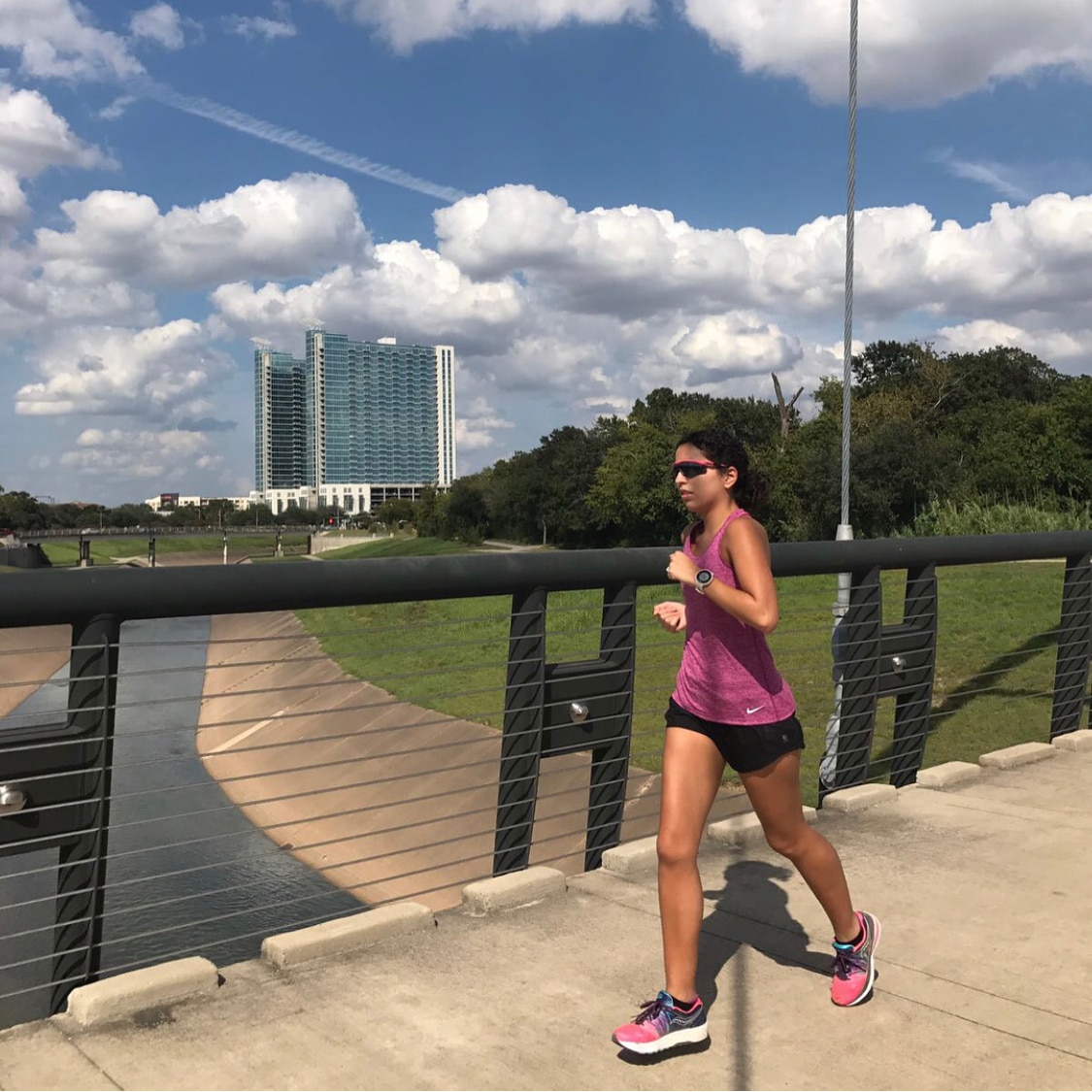
Crush your goal time with this 18-week half-marathon training plan

So you've built up your distance, have run a few 5Ks and 10Ks, and are ready to take your goals and training to the next level by signing up for a half-marathon. Congrats! Here's what you'll need to know to embark on our 18-week half-marathon training plan.
18-week half-marathon plan
Even if you've built up a solid mileage base, you likely know that half-marathon training will include a bit more volume, especially as you increase your long runs. This will involve both physical and mental conditioning as you get used to spending more time on your feet. Our 18-week half-marathon training program will help you arrive at the starting line trained and ready to experience the joys of this longer distance.
Key components of a marathon training plan
- Short runs: These help to create an aerobic base and lets you improve mileage weekly
- Speed work: This includes interval runs, tempo runs, hill workouts aimed to improve your pace
- Cross-training: Workouts like weightlifting, HIIT sessions and yoga will help build strength and full-body fitness.
- Long runs: This will help you build endurance for race day
- Rest days: These are very crucial for recovery and preventing injury so you’re ready for race day
This is a carousel. Use next and Previous buttons to navigate.

What are phases of a marathon training plan
- Based building: Start with short, easy paced runs to build mileage gradually
- Strength and Speed: Start to incorporate longer runs with speed work like tempo runs and interval runs, along with workouts for strength
- Peak and Taper: The peak weak is when you’ll run your longest training run before race day after which you’ll want to use the final week or two for recovery and energy storage, coupled with short, easy runs
What to expect from the training plan
Before you get started, you should use the Hansons Training Pace Calculator to determine your goal race time and pace, as well as your long run and workout paces. From there, this half-marathon training plan will start you off pretty conservatively, with three rest or cross-training days to start the week, followed by three short runs, and a 9.5K long run.
From week two on, you'll be doing two workouts per week: one speed session with intervals and a tempo run with a few miles at your goal race pace in between an easy warmup and cooldown. Most weeks will also include three short runs, a long run, and one rest or cross-training day, which can include an activity such as weightlifting, yoga, or cycling to build full-body strength and keep things interesting.

The plan will have you build up to the longest run of 19K, which you'll hit three times before tapering down two weeks out from race day. Your final week of training will include all short runs along with your rest or cross-training day and cap off with a 5K shakeout run the day before you line up to race.
Focus on incremental progress
While you don't necessarily need to cover the race distance in a long run in training, going slightly over it will help boost your mental confidence about covering it on the big day. As more time goes on, the speed sessions and tempo efforts should also have you feeling stronger and more confident about hitting your goal. At the same time, however, it's important to keep your recovery efforts truly easy so you're fresh and rested enough to execute those harder efforts when it counts.
By following this half-marathon training plan accordingly, you'll arrive at the starting line pumped and excited to check off your next big goal in your running journey.
Our writer's advice is intended for informational or general educational purposes only. We always encourage you to speak with your physician or healthcare provider before making any adjustments to your running, nutrition, or fitness routines.